Xylitol & Oral Health: What The Research Shows
Of the many ingredients found in oral-care supplements, xylitol has one of the more direct, specific evidence bases for dental relevance.
Here's what the research actually shows about how it works, and its realistic role.
What xylitol actually is
Xylitol is a sugar alcohol, naturally found in small amounts in many fruits and vegetables, and widely used as a sugar substitute in gum, mints and some oral-care products.
Why it's relevant to oral health specifically
Unlike sugar, xylitol isn't readily fermented by the bacteria most associated with tooth decay. Research suggests regular xylitol exposure may help shift the oral microbiome toward a less cavity-promoting balance over time, and several studies have looked at xylitol gum or mints for supporting this effect.
What the evidence doesn't show
Xylitol is not a substitute for brushing, flossing or professional dental care, and it doesn't reverse existing decay or gum disease. Most supportive research involves sustained, repeated exposure (like chewing gum multiple times daily) rather than a single daily application.
How this applies to liquid oral-care products
A liquid drop formula that includes xylitol is using a genuinely relevant ingredient for its category, though the exposure pattern (once daily, applied and likely rinsed away or swallowed) differs from the repeated-exposure gum studies that make up much of the existing research.
How this applies to Dentitox Pro
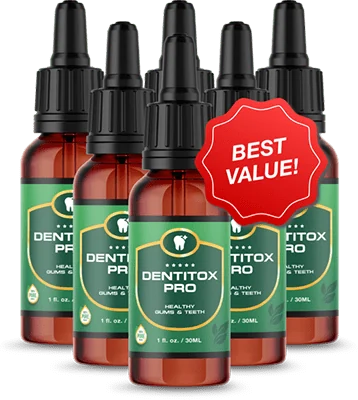
Dentitox Pro includes xylitol as one of its eight named ingredients — it's the standout, most oral-health-specific ingredient in the formula, though we couldn't confirm the exact dose for this review.